White and Gray Cross
A Simple Design with Quiet Power
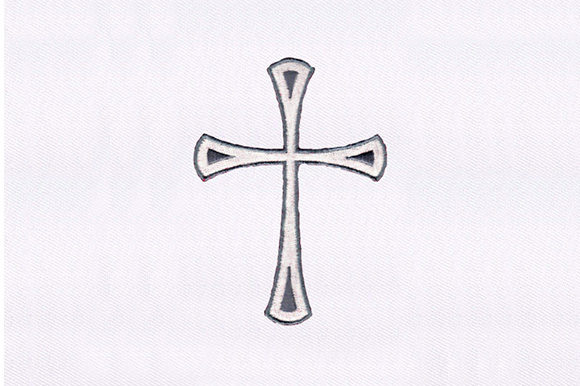
The first time I saw White and Gray Cross, I was struck by its understated elegance. It’s a design that doesn’t shout, but it speaks clearly. The cross is clean, geometric, and minimal—perfect for those who appreciate subtlety in their embroidery. Its color palette of white and gray gives it a timeless feel, making it versatile enough to work across multiple project types without feeling out of place.
Visual Personality and Mood
White and Gray Cross carries a calm, spiritual energy that aligns well with its religious category. The design is symmetrical and balanced, which makes it visually pleasing even when viewed from a distance. The use of monochrome tones ensures that the focus remains on the shape rather than the color, allowing the cross to become a statement piece in any setting.
This design feels like it belongs on a handmade product meant to be both functional and meaningful. Whether it's a custom embroidered tote bag, a baby item, or a holiday gift, White and Gray Cross has the potential to add a quiet sense of purpose to the final product.
Real-World Embroidery Use Cases
When I think about how White and Gray Cross would perform in real-life projects, I imagine it being used on a variety of items. On a sweatshirt or tote bag design, it could serve as a subtle branding element or a personal touch. For custom apparel, it might be paired with other designs to create a cohesive look. In holiday embroidery or wedding gifts, it could act as a meaningful symbol without overpowering the overall design.
I also see it working well on embroidered patches or applique designs. Its simplicity means it can be scaled down easily, making it ideal for small hoop sizes. However, I’d caution against using it on very small surfaces where details might get lost.
Stitching Clarity and Detail
White and Gray Cross appears to be a well-structured design with clear lines and defined shapes. The use of satin stitch and fill stitch suggests that the cross will have a solid, even appearance once stitched. This is important for maintaining visual clarity, especially on larger items like blankets or kitchen towels.
However, the design’s simplicity also means that it may not hold up well on textured fabrics or stretchy materials. The lack of intricate detailing means that fabric texture could interfere with the final look, so using the right stabilizer is crucial. I’d recommend testing the design on scrap fabric before committing to a full project.
Design Considerations for Real Projects
One thing to keep in mind when using White and Gray Cross is its contrast with the fabric. Since the design is primarily white and gray, it may not show up well on dark fabrics unless you adjust the thread colors accordingly. Testing the design on different fabric backgrounds is an essential step, especially if you're planning to sell finished products or digital embroidery files.
Additionally, the design’s minimalist nature means it works best on flat surfaces. While it could technically be used on curved items like caps or hat embroidery, the edges might not render as cleanly as on a flat surface. For such applications, I’d suggest checking the hoop size and ensuring the design is optimized for curved surfaces.
Practical Designer Notes
- Test on scrap fabric: Always test White and Gray Cross on a small piece of fabric before stitching it onto your final project.
- Check thread contrast: Ensure the chosen thread colors provide sufficient contrast against the background fabric.
- Review stitch density: Confirm that the stitch count is appropriate for the fabric type and desired detail level.
- Confirm hoop size: Make sure the design fits comfortably within your hoop to avoid distortion.
- Inspect small details: Look for any potential issues with corners, lettering, or dense stitch areas that might affect the final look.
- Use proper stabilizer: Especially on stretchy or thin fabrics, a good stabilizer is essential for crisp results.
- Test black and white mockups: This helps identify any potential visibility issues before stitching.
- Compare light and dark backgrounds: Ensure the design looks good on both types of fabric.
- Confirm licensing: If you plan to sell finished products or digital files, verify the licensing terms for White and Gray Cross.
Where to Use With Care
White and Gray Cross is a great choice for many projects, but there are some situations where it should be used with caution. It may not be ideal for very small hoop sizes, as the design’s scale could lead to a loss of detail. Similarly, it might not work well on highly textured or stretchy fabrics, where the design could appear uneven or distorted.
On layered garments or items that require frequent washing, the design’s durability should be considered. While it’s likely sturdy, repeated washing could affect the appearance over time. For these cases, I’d recommend reinforcing the design or choosing a more durable fabric.
Impact on Product Value and Trust
The way a design looks on a finished product can significantly impact customer trust and satisfaction. White and Gray Cross has the potential to enhance the perceived value of a handmade product, especially when used thoughtfully. Its simplicity and elegance make it suitable for both personal and commercial projects, including Etsy listings, small shop products, and craft fair items.
For personalized gifts or custom apparel, the design adds a meaningful touch without overwhelming the recipient. When used in a consistent brand identity, it can help build recognition and professionalism, which is valuable for craft businesses and digital product sellers.
Final Thoughts
White and Gray Cross is a thoughtful, versatile design that offers a lot of potential for creative use. Its clean lines and neutral palette make it a great fit for a wide range of embroidery projects, from holiday embroidery to commercial embroidery. However, like any design, it requires careful consideration of fabric type, hoop size, and stitching technique to ensure the best possible outcome.
As an experienced designer, I recommend approaching White and Gray Cross with confidence but also with practicality. Test it thoroughly, consider your target audience, and always prioritize quality and clarity in your finished product. With the right approach, this design can become a valuable asset in your embroidery toolkit.